

MULTILINGUALISM IN MODERN WORLD
Abstract
This article deals with the problem of multilingualism. The author considers the linguists' views on the role of language in multicultural countries. The aim of this research is to study the problem of multilingualism. The object of the research is multilingualism. The subject of the research is positive and negative tendencies of multilingualism. The aim of the research is to identify the main regularities of the functioning of languages in multilingualism. The relevance of the considered problem is confirmed by the focus of modern sociolinguistics on the study of the dynamics of language changes, bilingualism, interlingual interference. Using the method of formalization and statistics, we have carried out a quantitative characterization of languages in multicultural countries. The hypothesis of the study is the probability of the limitation of basic linguistic rights in multilingualism, the tendency to lose the opportunity to communicate in the language of one's choice with the threat of cultural survival. The result of the study is the data obtained through the analysis of statistics, indicating the varying degrees of institutional and legal support for languages in multilingualism.
About the Author
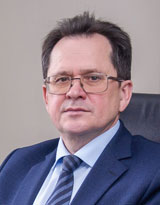
I. A. Sokolova
Naberezhnye Chelny Institute of “Kazan (Volga region) Federal University”
Russian Federation
Russian Federation
senior lecturer
References
1. http://www.ethnologue.com
2. Смокотин В.М.: Многоязычие и проблемы преодоления межъязыковых и межкультурных коммуникативных барьеров в современном мире. Томск: Издво Том. ун-та, 2010. – 222 с.
3. Coleman H.: Dreams and Realities. London: British Council, 2011. 16 p.
4. Block D.: Multilingual Identities in a Global City: London stories. Oxford: Palgrave, 2005. 247 с.
5. King L. and Carson L.: The Multilingual City, Vitality, Conflict and Change. Bristol: Multilingual Matters, 2016. 240 p.
6. De Swaan, A .: Endangered languages, sociolinguistics, and linguistic sentimentalism. Cambridge: European Review, 2004. 567.
Review
For citations:
Sokolova I.A. MULTILINGUALISM IN MODERN WORLD. Social-economic and technical systems: research, design and optimization. 2023;(1):149-155. (In Russ.)
Views:
4




 Email this article